How to prep for a four point inspection in Fort Myers — panel, water heater, attic, plumbing, HVAC, roof access, pets, and paperwork — so nothing slows it down.
Preparing for Your 4-Point Inspection
A four point inspection is fairly quick — for most single-story homes in the Fort Myers area it runs about 45 minutes — but the inspector needs to reach more areas than a lot of homeowners expect. Unlike a wind mitigation inspection, which stays almost entirely on the roof structure and the exterior, a 4-point takes the inspector through multiple rooms and systems inside the home. A little prep beforehand keeps things moving and heads off the delays that stretch a 45-minute visit into something longer.
The Inspection Agreement
Before things start — sometimes at booking, sometimes on arrival — you’ll sign a standard inspection agreement. It’s a routine document laying out the scope: what’s being evaluated, what isn’t, and the limits of a visual inspection. Nothing unusual, nothing to worry about. Read it, ask anything you like, and keep a copy.
Access Is Everything
The single most useful thing you can do is make sure the inspector can physically get to every system they need to evaluate. Anything blocked, buried behind storage, or locked behind a gate with no key slows the inspection down and can, in some cases, leave part of it incomplete. Here’s what needs to be reachable.
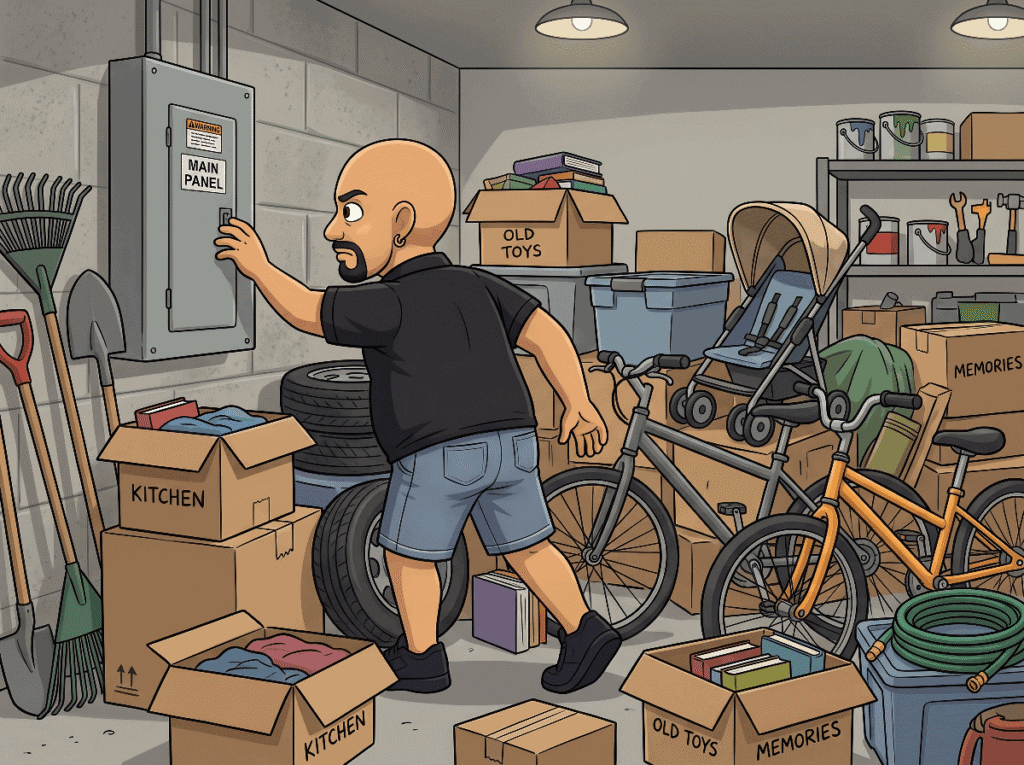
Electrical Panel — The inspector removes the dead front cover to photograph the interior — wiring, breakers, and panel label. Keep the area clear. Electrical code technically calls for three feet of unobstructed clearance in front of a panel; your inspector isn’t there to enforce code, but they do need room to work safely with the cover off.
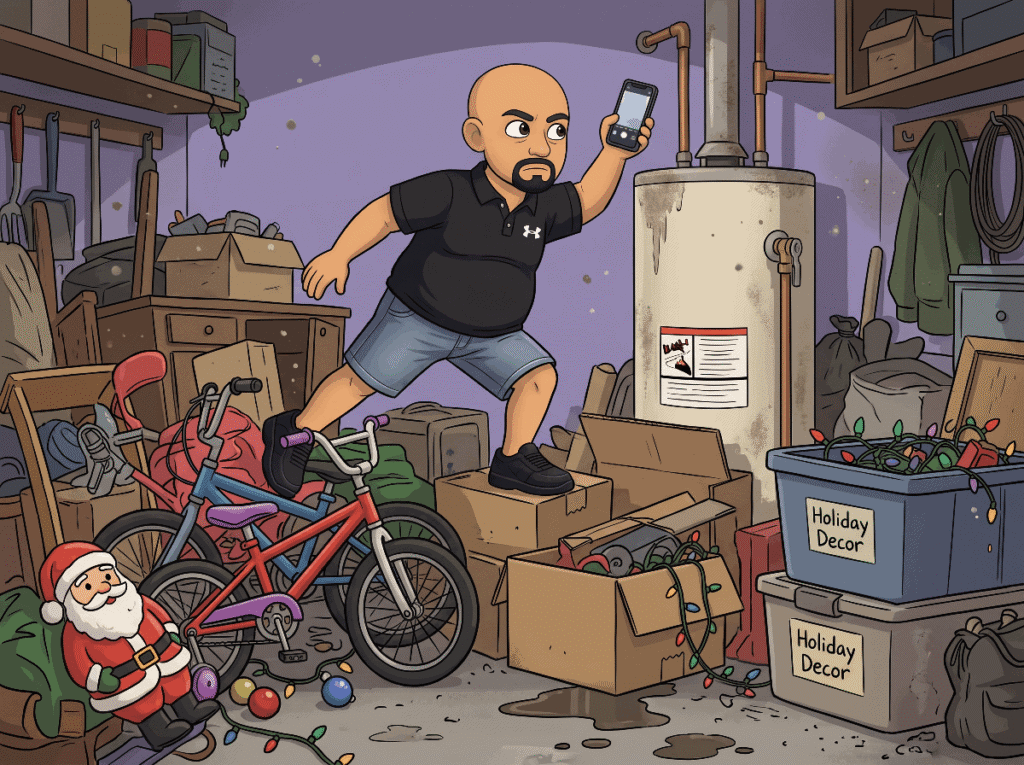
Water Heater — The inspector photographs the data plate to document the unit’s age, and checks its condition along with the temperature and pressure relief (TPR) valve and its discharge pipe. If it’s in the garage, clear away boxes, bikes, and holiday bins. If it’s in the attic, leave a clear path to it.
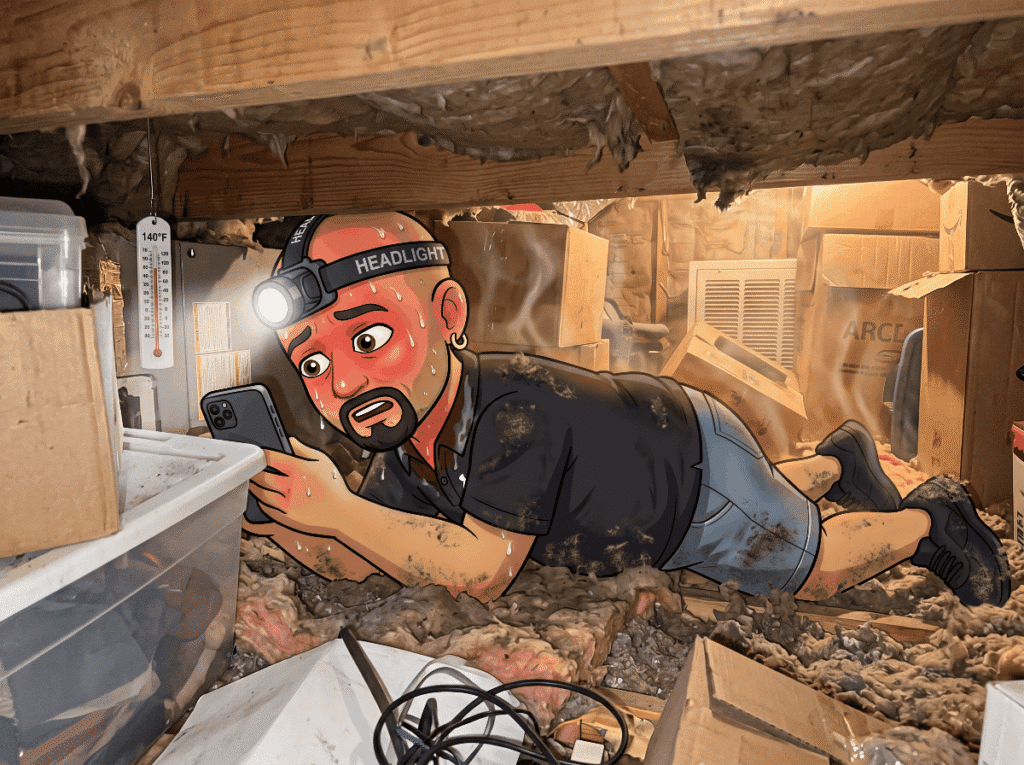
Attic Access — Your air handler, water heater, or both may live in the attic. If so, the inspector has to get up there. Clear anything stacked under pull-down stairs, and open a path through any attic storage. If your home has no pull-down stairs, the inspector may prefer their own ladder for safety and liability reasons — that’s standard, don’t take it personally. And don’t worry about the attic light; many inspectors use a headlamp anyway, since overhead attic lighting throws shadows that interfere with their photos.
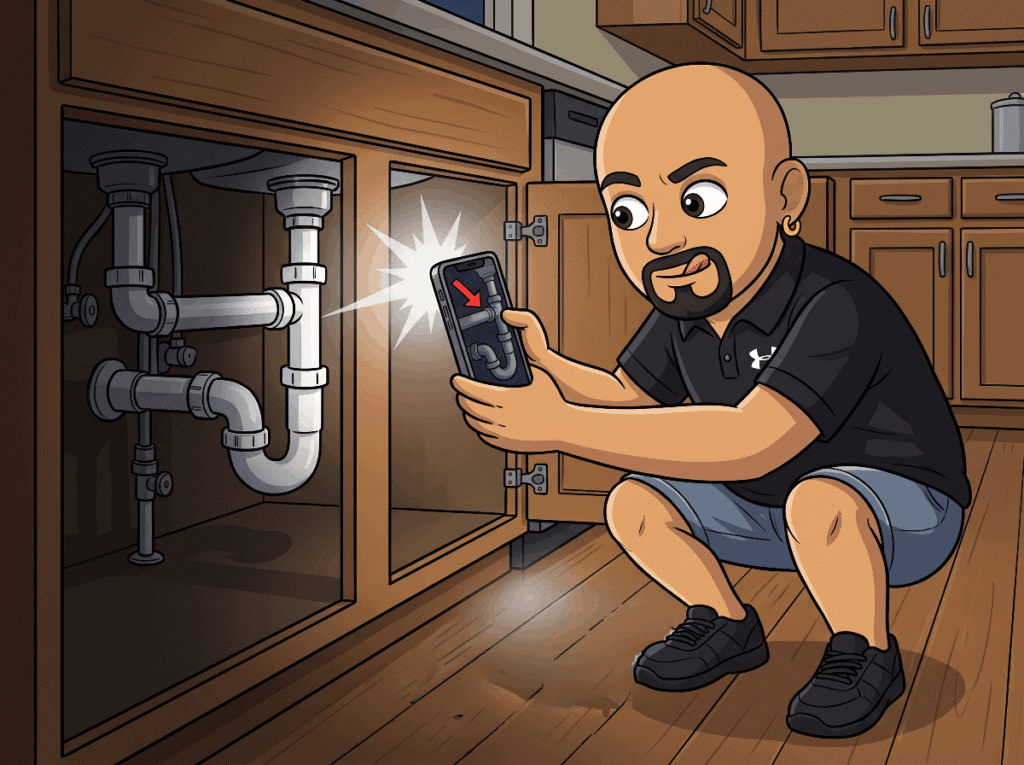
Under-Sink Plumbing — The inspector photographs the plumbing under every sink, plus toilet supply lines and laundry hookups. You don’t have to empty cabinets completely. As long as the plumbing is visible and reachable, most inspectors can get what they need. Still, if a cabinet is packed tight, pulling a few things out ahead of time saves everyone time.
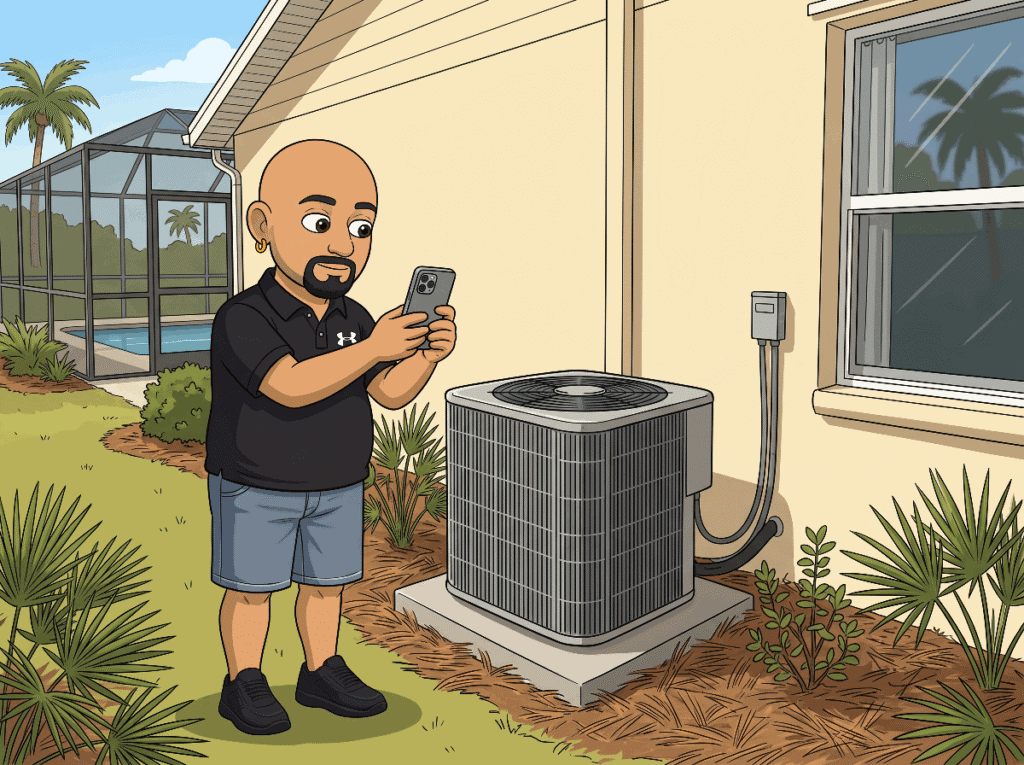
HVAC System — Both the air handler and the outdoor condensing unit get documented for age and condition. Keep the area around the air handler accessible. Clear vegetation or debris from around the outside unit so its data plate and condition can be photographed. If you have a maintenance contract, have the latest service invoice handy. Especially if the technician’s service label on the unit is faded or missing.
The Roof — The inspector photographs the roof from above and walks the exterior to shoot the front, back, and sides. That means being in your yard, including side yards and anything behind fences or gates.

Pets
If you have dogs, let your inspector know ahead of time. Keep them secured somewhere they won’t interfere or accidentally get loose while the inspector is in the yard or the house. It’s not only about safety — an inspector opening and closing gates and screen doors while photographing the exterior creates chances for a pet to slip out. No inspector wants to be responsible for a loose dog, and no homeowner wants that call.
Gates, Screen Doors, and Pool Enclosures
If your yard is fenced, unlock the gate before the inspector arrives. If you have a pool cage or screened lanai, those screen doors need to be accessible too. The inspector has to reach the sides and rear of the home, and locked gates or latched enclosures nobody mentioned are one of the most common causes of delay.
Have Your Documentation Ready
If you’ve had work done on any of the four systems — a roof replacement, a panel upgrade, a re-pipe, a new AC system, a new water heater — have the permits, invoices, or receipts available. The inspector can often verify permits through your county or city records portal. However, those records aren’t always complete or current. Having the paperwork on hand removes any report delivery delays caused by trying to determine when the work was done and whether it was permitted. That’s especially true for recent work that hasn’t hit the public record yet, or old work done by a previous owner who may or may not have pulled permits.
Delivering Your Report to Your Insurance Company
When the inspection is finished, your report typically comes to you as a PDF by email — the format your insurer needs. Don’t print it and carry a paper copy to your agent’s office; insurance companies process these electronically, and a printed copy almost always ends with your agent calling the inspector for the PDF anyway. Just forward the email with the attached PDF straight to your agent.
Find Out What Your Cape Coral or Fort Myers 4-Point Inspection Will Cost in Under 10 Minutes
Lowest Price Four Point Inspection? Why discounted pricing for four point inspection in Fort Myers might not be a wise decision.