
The four point inspection traces back to Hurricane Andrew and the creation of Citizens. Here’s the history behind the form every four point inspector in Cape Coral uses today.
How the 4-Point Inspection Came to Exist
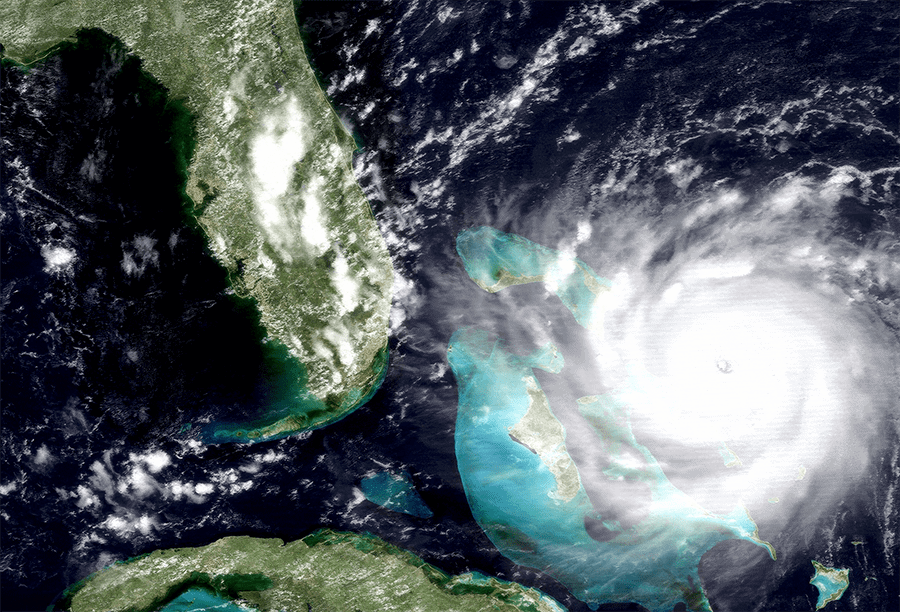
The 4-point inspection traces back to Hurricane Andrew, which struck South Florida in 1992 and caused more than $26 billion in insured losses — a figure that was virtually unprecedented at the time. The storm bankrupted several insurers outright and drove others out of the Florida market entirely. In the aftermath, close to a million coastal homeowners were left unable to find coverage from any private insurer still willing to do business in the state.
In 2002, the Florida Legislature responded by merging two existing state-backed insurance entities. The Florida Residential Property and Casualty Joint Underwriting Association and the Florida Windstorm Underwriting Association. They combined into a single organization called Citizens Property Insurance Corporation. Citizens was created to be the insurer of last resort for homeowners who couldn’t find coverage in the private market. As it began insuring a rapidly growing number of properties, it needed a way to gauge the risk of each one — particularly older homes whose major systems might be aging, deteriorating, or long overdue for replacement.
The 4-point inspection was the answer. Citizens developed the process and the standardized form, and it spread quickly across the Florida insurance industry. Today, virtually every carrier doing business in the state either requires or accepts the 4-point as part of underwriting. Which is why any four point inspector in Cape Coral is working from the same playbook. The form most carriers use, or at minimum accept, is the one Citizens publishes and maintains, currently designated Form Insp4pt 03 25 and last updated in March 2025.
Find Out What Your Cape Coral or Fort Myers 4-Point Inspection Will Cost in Less Than 10 Minutes
Lowest Cost Four Point Inspection? Why choosing the cheapest four point inspector in cape coral might not be a wise decision.