What actually happens the day of a 4-point inspection in Fort Myers
— how long it takes, what the inspector documents, report delivery, and what happens if it fails.
The Day of the Inspection
For a typical single-family home in the Cape Coral or Fort Myers area — say a three-bedroom, two-bath, single story — plan on the 4-point inspection running around 45 minutes. The real time depends on how many bathrooms and kitchens there are, how many HVAC systems and electrical panels the home has, how many stories, the size and accessibility of the roof, and how easily the inspector can reach everything they need to photograph. A manufactured home with no attic might be done in under half an hour. A two-story home with five bathrooms, multiple AC systems, and a cramped attic full of storage could push toward 90 minutes. Most homes land somewhere in between.
What the Inspector Will Do
The inspector works through the home methodically, covering each of the four systems and photographing as they go. Every photo becomes part of the official report submitted to your insurer, so expect them to be thorough with the camera. Here’s the general sequence, though the exact order can vary.
Electrical — The inspector locates your panel, opens the front cover, then removes the dead front to expose the interior wiring and breakers. They photograph the panel label, breaker layout, wiring connections, and overall condition.
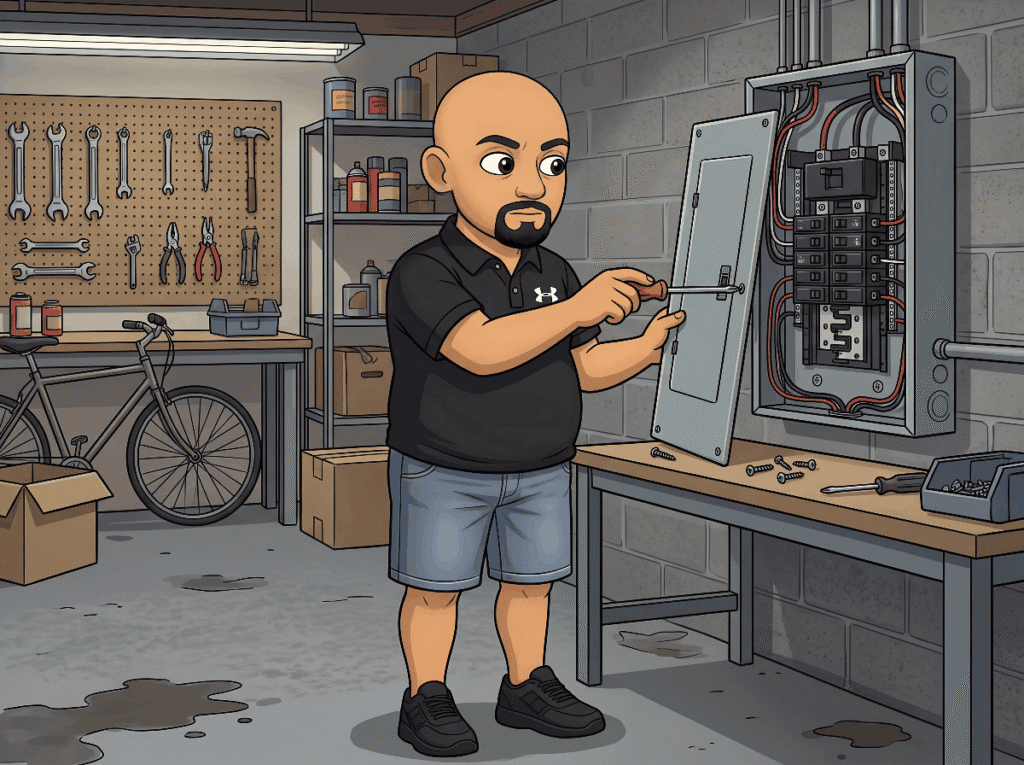
They’re noting the panel brand, the wiring type, the amperage, and any visible problems — double-tapped breakers, scorching, corrosion, improper modifications. The cover goes back on when they’re done. This part is handled carefully and deliberately; the interior of a live panel is not a place to rush.
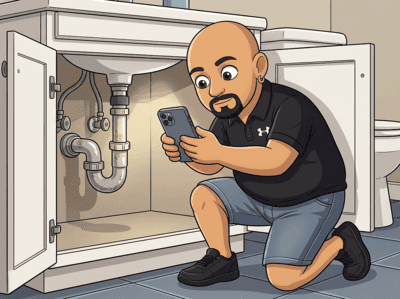
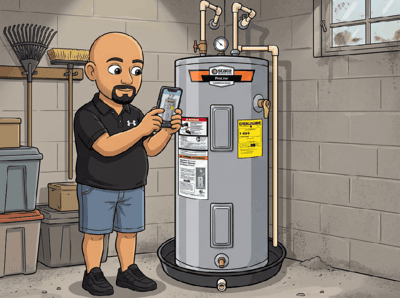
Plumbing — The inspector checks under every sink, photographs toilet supply lines, and examines laundry hookups and utility sinks. They’re identifying the supply and drain piping — copper, PEX, CPVC, galvanized, cast iron, polybutylene — and watching for leaks, corrosion, or water damage. The water heater gets particular attention: the data plate is photographed to establish age, the condition is checked, and the TPR valve and its discharge pipe are documented. If the heater is in the attic, that’s where it gets evaluated.
 |
 |
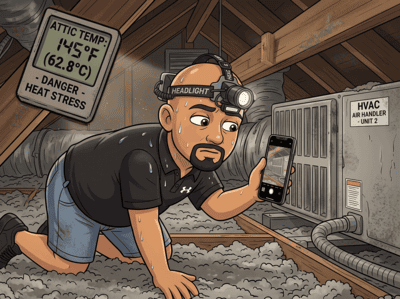
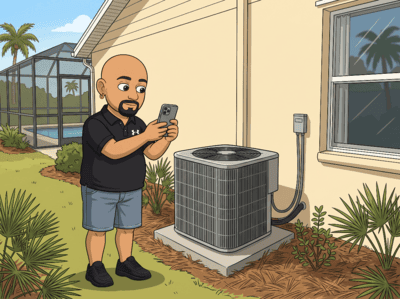
HVAC — The inspector photographs the air handler — closet, garage, or attic — and the outdoor condensing unit, documenting the age and condition of both, looking for leaks, corrosion, or water damage around the air handler, and confirming a working central heat source. If there’s a service sticker from an HVAC company, they’ll note the last service date. When the air handler is in the attic, it’s usually handled together with any other attic work to avoid extra trips up and down.
 |
 |
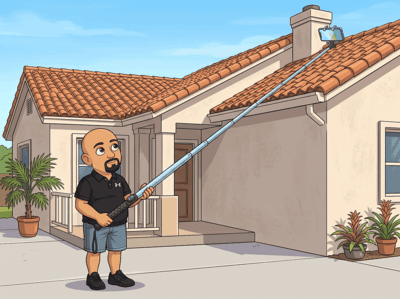
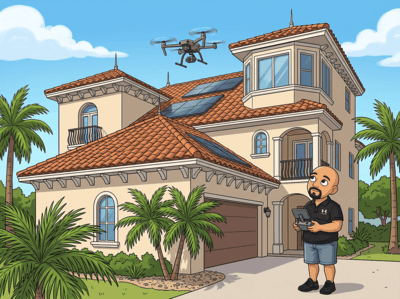
Roof — The inspector photographs the exterior from several angles to document the roof covering, its condition, and any visible damage or wear, and scans interior ceilings for signs of water intrusion — staining, discoloration, bubbling paint, soft spots. Depending on roof type, pitch, and accessibility, some inspectors get on the roof while others evaluate it from the ground or by other means. They’re estimating remaining useful life from the material, apparent age, and current condition.
 |
 |
Should You Be There?
You’re not required to be present, but it helps if you can be. Being home lets the inspector ask questions in real time — when the roof was replaced, who did the electrical, whether that ceiling stain is from an old leak that’s already fixed — and lets you point to permits or paperwork without a round of calls and emails afterward. If they find something questionable, you’ll hear about it on the spot instead of reading it in the report first. If you can’t be there, make sure whoever lets the inspector in — neighbor, property manager, tenant — knows where the panel is, can provide attic access if needed, and knows about any pets, alarms, or locked gates.
Pets
If you have dogs, keep them secured inside or somewhere away from where the inspector will be working. The inspector moves through the interior opening cabinets and closets, and works outside photographing the roof, the AC unit, the main water shutoff, the main electric disconnect, and the exterior walls.

Gates and screen doors get opened and closed throughout. A dog that’s protective of its home or prone to bolting through an open door needs to be accounted for before the inspector arrives — not after. Mention any pets when you schedule so there are no surprises on either end.
Gates and Screen Enclosures
If your yard is fenced, unlock the gate. If you have a pool cage or screened lanai, make sure the screen doors are accessible. The inspector needs the rear and sides of the home to photograph the roof and exterior, and needs to reach the outdoor condensing unit — which in many Southwest Florida homes sits behind a fence or inside a screened enclosure. Small things, but a locked gate with no key can turn a routine inspection into an incomplete one..
After the Inspection
Once finished, the inspector compiles the report — completing the form, attaching the required photos, signing and dating it. Most deliver the completed report as a PDF by email, typically within 24 hours for a straightforward inspection; some deliver same-day. The timeline varies with the inspector’s schedule, the size of the home, and workload, but next-business-day delivery is the industry standard. Whether the form is filled out by hand or through an app matters too — an app can generate a report much faster, but that speed often comes at the cost of image quality in the report.
When you get the report, forward the PDF straight to your agent by email. Don’t print it and bring a paper copy; insurers process these digitally, and a printout almost always ends with your agent needing the electronic file anyway.
If Something Comes Back Unsatisfactory
It happens. Sometimes the inspection turns up an issue that has to be fixed before the carrier will accept the report. Often the fix is minor and inexpensive — a missing TPR discharge pipe, a double-tapped breaker, a small leak under a bathroom sink — the kind of thing a licensed contractor handles quickly and affordably. Other times it’s bigger: a Federal Pacific or Challenger panel that needs replacing, polybutylene supply lines a carrier won’t insure, or a roof at the end of its useful life. Those are real projects with real costs — but they’re also conditions that affect the safety and insurability of your home whether or not an inspection caught them.
Once the issue is corrected, most inspectors offer a reduced rate to come back, verify the repair, update the report, and reissue it with a current date. You shouldn’t have to pay for a full inspection twice because one item needed attention. Ask about the inspector’s policy on report updates before the initial visit so you know what to expect.
Timing Your Inspection
If you’re scheduling for an insurance renewal, don’t wait until the last minute — give yourself at least 30 days before your renewal date. That leaves room for the inspection, for reviewing the report, and, if something needs repair, for getting the work done and the report updated without a gap in coverage. Homeowners who book the week before their policy expires and then find an issue end up scrambling, and that urgency rarely helps anyone. If you’re shopping for a new policy or switching carriers, same logic — get it done early so you know where you stand before you’re up against a deadline.
Find Out What Your 4-Point Fort Myers Inspection Will Cost in Under 10 Minutes
Lowest Price 4-Point Insurance Inspection? Why discount pricing for 4-point inspection in Fort Myers might not be a wise decision.