The roof is the top cause of 4-point coverage problems. Here’s how Florida’s SB 2-D law limits when insurers can deny coverage over roof age alone. Four Point Insurance Inspection Fort Myers, FL
The Relationship Between the 4-Point Inspection and Your Roof
Because the roof section of the four point insurance inspection is the single most common source of coverage problems, it’s worth understanding how Florida law intersects with the insurance industry’s approach to roof age.
In 2022, the Florida Legislature passed Senate Bill 2-D during a special session focused on the state’s property insurance crisis. Among its provisions, SB 2-D established that insurers cannot refuse to issue or renew a homeowner’s policy solely because the roof is less than 15 years old. For roofs that are 15 years or older, insurers must allow the homeowner to obtain an inspection — at the homeowner’s expense — before requiring a roof replacement as a condition of coverage. If that inspection, performed by an authorized inspector, shows the roof has at least five years of remaining useful life, the insurer cannot refuse coverage based on roof age alone.
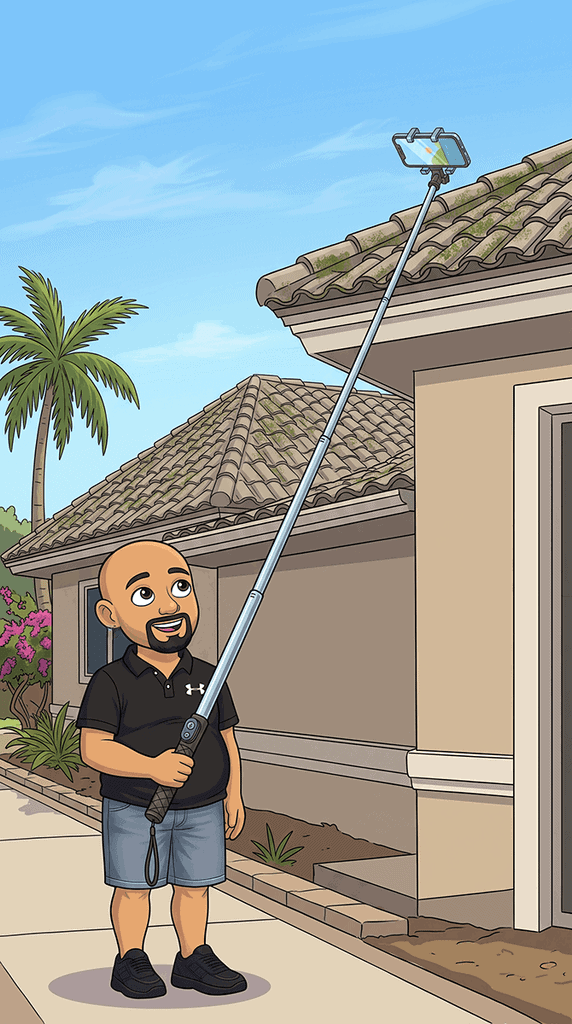
This doesn’t mean a roof over 15 years old is automatically accepted. It means age can’t be the sole reason for denial without allowing an inspection first. If the inspection turns up material deficiencies — deteriorated shingles, compromised decking, active leaks, soft spots — the carrier can still require repair or replacement as a condition of coverage.
.
Lowest Cost 4-Point Inspection? Why discounted pricing for 4-point inspection in Fort Myers may not be a wise decision.